12-Bottle vs 20-Bottle Wine Cooler: What Size Do You Need?
This guide helps Canadian homeowners decide which wine cooler capacity makes the most sense for their lifestyle, space, and drinking habits — without hype or sales fluff.
Why Size Matters
Choosing a wine cooler isn’t just about how many bottles it can hold — it’s about how you use your wine, how much space you have, and what you truly expect from it.
The two most common sizes homeowners consider are:
- 12-Bottle Wine Coolers
- 20-Bottle Wine Coolers
Both are compact compared to large cellar fridges, but they serve different needs.
This guide explains:
- What each size is best for
- How to decide logically
- Practical questions to ask before buying
What “12-Bottle” and “20-Bottle” Really Mean
When a product says “12-bottle capacity,” it generally means:
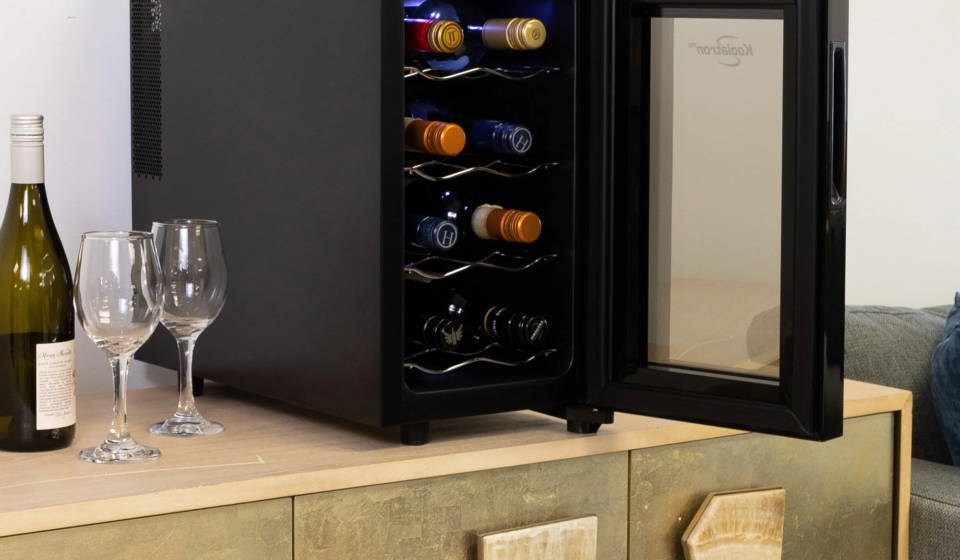
- Up to 12 standard Bordeaux-style bottles (750 ml)
- Wine bottles placed horizontally on adjustable shelves
Similarly, “20-bottle” capacity means:
- Up to 20 standard bottles, with more shelves or rows
- Slightly larger footprint and weight
Always check the actual product dimensions before buying — capacity labels are useful but space matters too.
Key Differences Between 12-Bottle and 20-Bottle Coolers
| Factor | 12-Bottle Cooler | 20-Bottle Cooler |
|---|---|---|
| Storage volume | 12 bottles | 20 bottles |
| Footprint | Smaller | Larger |
| Ideal for | Condos, small kitchens | Mid-size homes, bars |
| Hosting capacity | Limited | Better for groups |
| Price (general direction) | Lower | Higher |
| Flexibility | Moderate | Higher |
1. Space & Placement
12-Bottle Wine Cooler
- Ideal for condos, apartments, or kitchens with limited counter or floor space
- Usually smaller height and depth
- Can often fit under-counter or next to cabinets
If space is tight — measure before you buy. Many 12-bottle units can live comfortably in kitchen corners or under benches.
20-Bottle Wine Cooler
- Requires more floor area
- May not fit under every countertop
- Works well in basements, bars, dining rooms, or rec rooms
If you have a dedicated entertainment space or larger kitchen, a 20-bottle cooler fits better.
Tip: Measure height, width, depth, and leave clearance for ventilation where required.
2. Daily Use & Lifestyle
When a 12-Bottle Cooler Makes Sense
- You drink wine regularly but not heavily
- You don’t entertain large groups often
- You prefer fewer bottles at serving readiness
- You want something that fits a small kitchen
For one or two regular drinkers, a 12-bottle cooler often covers weekly needs without wasting space.
When a 20-Bottle Cooler Makes Sense
- You like variety (red, white, rosé, sparkling)
- You host gatherings more often
- You keep different wine types for different occasions
- You expect guests to choose from multiple bottles
For larger households, frequent hosting, or variety seekers, 20 bottles offer better flexibility.
3. Cost & Value
In general:
- 12-bottle coolers are more affordable
- 20-bottle coolers cost more due to size and storage capacity
However, value is not simply price. Think in terms of use per dollar:
- A 12-bottle cooler that sits almost full most of the time can be better value than a 20-bottle cooler that stays half empty.
- Conversely, if you regularly collect or store more wines, the 20-bottle unit may save money long-term by avoiding multiple purchases of smaller units.
4. Noise & Everyday Comfort
Both sizes typically use thermoelectric cooling in the price ranges common on Amazon Canada.
- Thermoelectric units are quieter than compressor fridges
- Larger units may have slightly more fan noise, but still acceptable for most living spaces
Noise matters more in:
- Condos (thin walls)
- Bedrooms
- Home offices
If noise is a priority, consider a 12-bottle cooler or check decibel ratings before purchase.
5. Wine Drinking Habits
Here are quick guidelines based on use patterns:
| Drinking Style | Recommended Size |
|---|---|
| Occasional wine drinker (1–2 bottles/week) | 12-bottle |
| Regular drinker but small collection | 12-bottle |
| Entertainer / group occasions | 20-bottle |
| Collects several varieties | 20-bottle |
6. Future Proofing Your Choice
Consider these questions:
- Will your wine habit increase over time?
- Do you plan to host more often?
- Do you want varietals chilled at once (reds + whites)?
- Is this for storage or just serving?
If you answer “yes” to most, 20 bottles gives more flexibility.
If your drinking habits are stable and space limited, 12 bottles is generally the wiser choice.
7. Cost of Ownership (Energy & Maintenance)
Both sizes are compact wine coolers, so:
- Energy costs are moderate
- No complicated installation
- Just plug, set temperature, and maintain
For either size, a simple dusting and occasional wipe-down keeps them running well. Internal shelves can be removed for deep cleaning.
8. Real Home Scenarios
Scenario A — Condo Owner
You live in a condo, drink wine regularly, but rarely host.
12-bottle cooler fits under counter, saves space, and stores your weekly collection.
Scenario B — Small Family
You and your partner drink wine frequently and like variety. You entertain a few times a month.
20-bottle cooler gives room for reds, whites, and occasional guests.
Scenario C — Occasional Drinker
You open bottles only on weekends or special occasions.
A single-bottle chiller or even the fridge might suffice — you may not need either a 12- or 20-bottle unit yet.
9. Common Mistakes When Choosing Size
Avoid these pitfalls:
- Buying based on “just in case” instead of actual use
- Choosing a 20-bottle cooler for space reasons only
- Ignoring ventilation requirements
- Assuming all wine coolers cool equally regardless of room temperature
Summary: Which One Should You Choose?
Choose a 12-Bottle Wine Cooler if:
- You have limited space
- You drink wine weekly to moderately
- You want a quieter, compact solution
Choose a 20-Bottle Wine Cooler if:
- You entertain regularly
- You want variety or keep several bottles ahead
- You have space available in your home
Final Considerations for Canadian Homes
In Canada, many homes are:
- Condos or apartments with limited space
- Kitchens with open layouts
- Basements or bars for entertainment
A 12-bottle cooler fits most condos and kitchens, while a 20-bottle unit is better for basements and families who share wine with guests.