
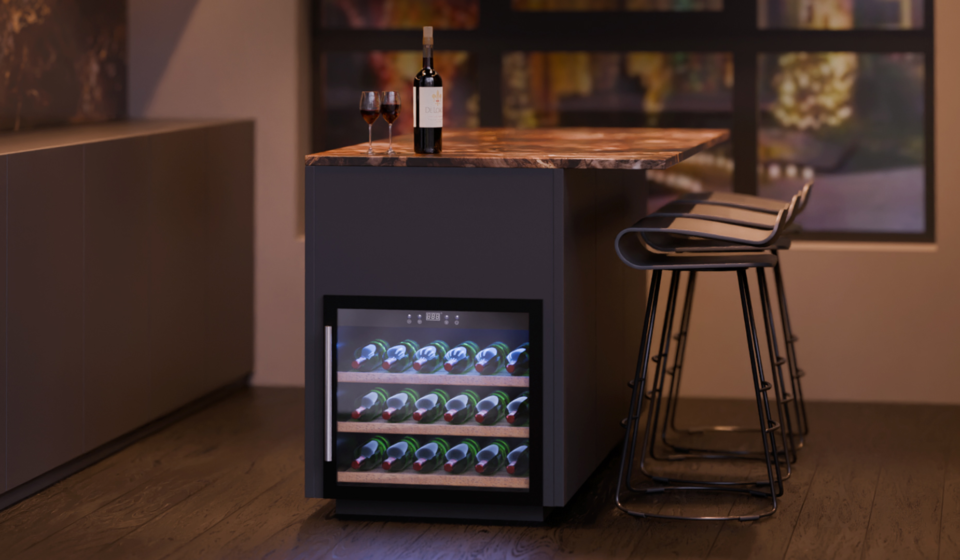
Is a Wine Cooler Worth It in Canada? A Simple Homeowner’s Guide
When setting up a new home or upgrading your kitchen, you may come across wine coolers and wonder if they’re actually useful—or just another appliance people buy and barely use.
This guide is written for regular homeowners in Canada, not wine collectors or experts. The goal is simple: help you decide whether a wine cooler makes sense for your home and lifestyle, before you spend money on one.
What Is a Wine Cooler (In Simple Terms)?
A wine cooler is a small refrigerator designed to keep wine at a steady, controlled temperature. Unlike a regular fridge, it doesn’t get extremely cold and is meant to store wine at drinking-ready conditions.
Wine coolers usually fall into three categories:
- Single-bottle electric wine chillers
- Small wine coolers (10–15 bottles)
- Medium wine coolers (18–30 bottles)
Each serves a very different purpose.
Why People in Canada Buy Wine Coolers
Most Canadians don’t buy wine coolers for aging wine long-term. They buy them for convenience.
Common reasons include:
- Keeping wine at the right temperature year-round
- Limited space in the main fridge
- Hosting guests and entertaining
- Condo or apartment living
- Wanting wine ready to serve without ice buckets
If none of these apply to you, a wine cooler may not be necessary.
Wine Cooler vs Regular Refrigerator
This is the most common question.
Regular Refrigerator
- Very cold
- Temperature fluctuates
- Dries out corks over time
- Not ideal for wine storage
Wine Cooler
- Stable temperature
- Better for wine taste and quality
- Designed for bottles
- More controlled environment
If you drink wine occasionally and finish bottles quickly, your regular fridge may be enough. If you drink wine regularly, a wine cooler becomes more practical.
Single-Bottle Wine Chiller vs Wine Cooler
Many people confuse these two.
Single-Bottle Electric Wine Chiller
- Holds one bottle only
- Sits on a counter or table
- Best for dinner parties or occasional use
- Not for storage
Multi-Bottle Wine Cooler
- Stores several bottles
- Freestanding or under-counter
- Better for regular wine drinkers
- Takes up more space
A single-bottle chiller is more of a wine accessory, while a wine cooler is a storage appliance.
Condo vs House: Does It Matter?
Yes, a lot.
Condos & Apartments
- Space is limited
- Smaller wine coolers make more sense
- Noise level matters more
- Freestanding models are easier
Houses
- More placement options
- Medium-size wine coolers are practical
- Better long-term value if you drink wine often
Buying a large wine cooler for a small condo often leads to regret.
When a Wine Cooler Is Worth It
A wine cooler is worth considering if:
- You drink wine weekly
- You like serving wine at the right temperature
- Your main fridge is always full
- You entertain guests
- You want wine easily accessible
In these cases, it becomes a quality-of-life upgrade, not a luxury.
When It’s Probably Not Worth It
You should probably skip a wine cooler if:
- You drink wine only a few times a year
- You have limited space
- Noise bothers you
- You’re buying it mainly for looks
- You’re unsure how often you’ll use it
Many people overbuy here.
Common Mistakes Buyers Make
- Buying too large “just in case”
- Confusing beverage fridges with wine coolers
- Ignoring noise levels
- Assuming expensive means better
- Buying without a clear use case
Avoiding these mistakes saves money.
How Much Should You Spend?
Prices in Canada vary widely. What matters more than price:
- Capacity that fits your habits
- Quiet operation
- Stable cooling
- Fit for your space
A smaller, well-used wine cooler is better than a large one that sits half empty.
Final Take: Is a Wine Cooler Worth It?
A wine cooler is not essential, but for the right person, it’s a very practical upgrade.
Worth it if:
- You drink wine regularly
- You want convenience
- You value proper storage
Not worth it if:
- You drink wine occasionally
- Space or noise is a concern
- You’re buying without a clear reason
The key is choosing the right type and size, not the most expensive model.